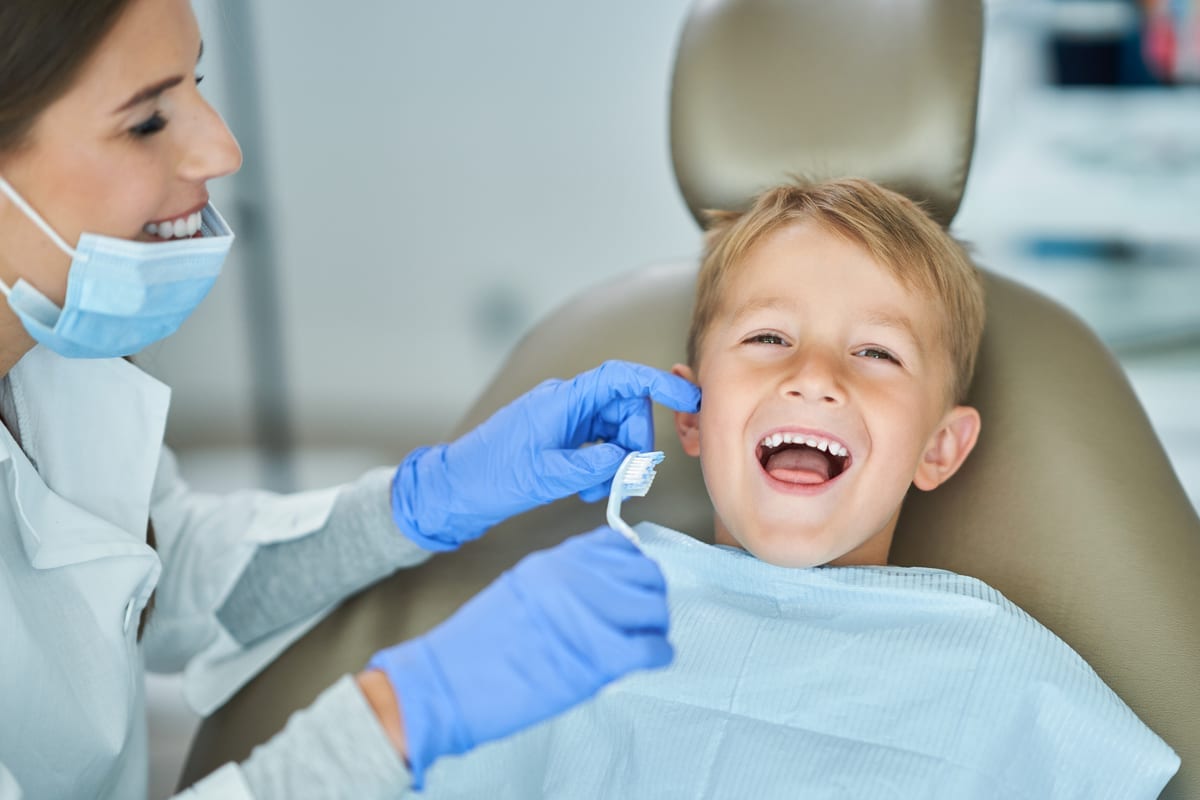




Most parents assume baby teeth are temporary and unimportant. After all, they fall out eventually — right? But understanding why your child’s baby teeth are secretly shaping their future in Brisbane changes everything. These tiny teeth play a massive role in your child’s health, development, and confidence. Dr. Anne Lee at South City Pediatric Dentistry wants every Brisbane-area family to know the truth about primary teeth.
Baby Teeth Do Far More Than You Think
Baby teeth are not just placeholders. They serve critical functions from the moment they appear. Every tooth in your child’s mouth is working hard right now.
Here are some of the key roles baby teeth play every single day:
- Chewing and nutrition: Baby teeth allow children to break down solid foods properly.
- Speech development: Teeth help children form sounds and pronounce words clearly.
- Jaw development: They stimulate healthy jawbone growth during early childhood.
- Spacing guidance: They hold space for permanent teeth growing beneath the gums.
- Self-confidence: A healthy smile helps children feel good about themselves socially.
When parents understand these roles, they take early dental care much more seriously. The Brisbane community deserves that knowledge — and so does your child.
How Baby Teeth Shape the Path for Permanent Teeth in Brisbane
One of the most important jobs a baby tooth has is holding space. Each primary tooth acts as a guide for the adult tooth forming beneath it. When a baby tooth is lost too early — due to decay or injury — that space can close up fast.
Once that space closes, the permanent tooth has nowhere proper to go. It may erupt crooked, crowded, or completely out of alignment. This is how early childhood tooth loss leads directly to orthodontic problems later in life.
Tools like Pediatric Dental Appliances can help maintain that space when a tooth is lost prematurely. These devices preserve the gap so the permanent tooth can still come in correctly. Early intervention saves families significant time and expense down the road.
Dr. Anne Lee works with Brisbane families to monitor spacing closely at every visit. Catching these issues early makes a tremendous difference in long-term outcomes.
Speech, Confidence, and the Social Impact of Healthy Baby Teeth
Teeth are essential tools for producing speech sounds. Letters like
Frequently Asked Questions
Why should I care about baby teeth if they’re going to fall out anyway?
Baby teeth hold space for permanent teeth to erupt in the correct position and help your child chew, speak, and develop properly. Losing baby teeth too early due to decay or damage can cause permanent teeth to come in crooked or misaligned, potentially requiring orthodontic treatment later.
When should I start bringing my child to the dentist?
The American Academy of Pediatric Dentistry recommends scheduling your child’s first dental visit when their first tooth appears or by their first birthday, whichever comes first. Early visits help establish good oral habits and allow us to monitor your child’s dental development from the start.
How can I prevent cavities in my child’s baby teeth?
Start cleaning your child’s gums with a soft cloth before teeth emerge, then brush twice daily with a fluoride toothpaste once teeth appear. Limit sugary snacks and drinks, avoid prolonged bottle feeding, and ensure your child visits the dentist every six months for professional cleanings and fluoride treatments.
What’s the connection between baby teeth and permanent tooth development?
Baby teeth guide the eruption path for permanent teeth and maintain the proper spacing and alignment of your child’s bite. Problems with baby teeth—such as decay, premature loss, or crowding—can directly impact how straight and healthy your child’s permanent teeth will be.
Is fluoride safe for young children?
Fluoride is safe and beneficial for children when used appropriately, helping strengthen tooth enamel and prevent decay. Use only a pea-sized amount of fluoride toothpaste for children under three, and supervise brushing to ensure they don’t swallow too much product.