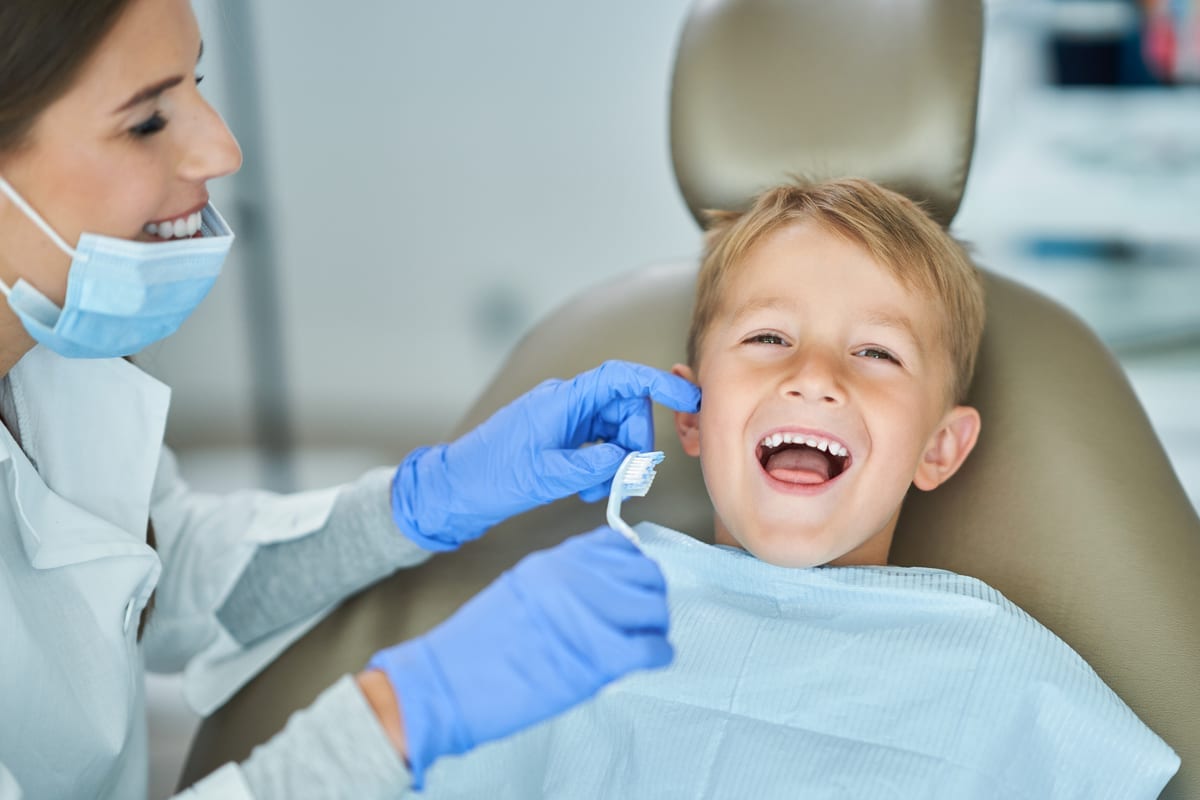




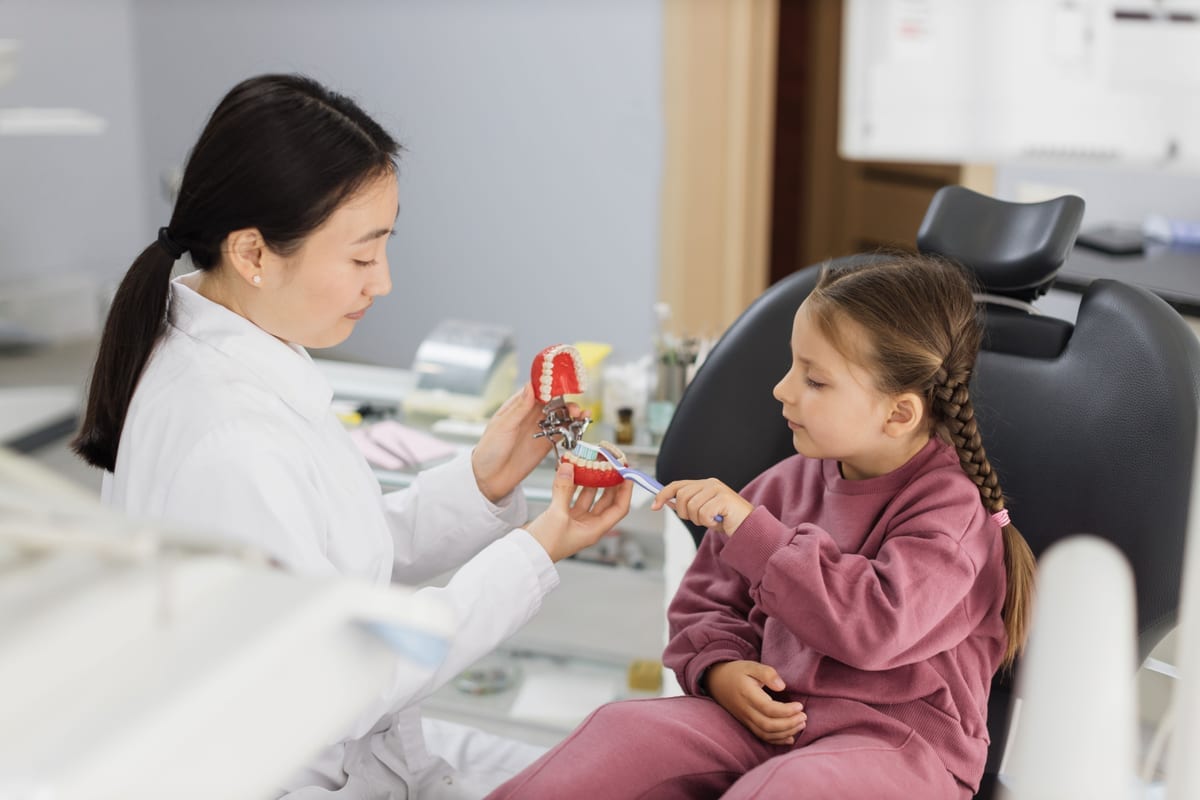
Does your child dread the dentist? You are not alone. Many South San Francisco families struggle to calm your anxious child at the dentist without candy bribes or empty promises. At South City Pediatric Dentistry, Dr. Anne Lee understands that dental fear is real — and valid. The good news is that practical, evidence-based strategies can make every visit calmer, safer, and even enjoyable for your child.
Why Dental Anxiety Happens in Children
Dental anxiety in children is extremely common. It can start as early as the toddler years and continue into the teenage years. Understanding the root cause helps parents respond with empathy rather than frustration.
Children often fear the unknown. Unfamiliar sounds, smells, and tools can feel overwhelming to a young child. A previous painful experience can also create lasting worry. Even a parent’s own anxiety can transfer to a child without a single word being spoken.
Common triggers for dental anxiety in kids include:
- Fear of needles or sharp tools
- Feeling out of control in the dental chair
- Loud or unexpected sounds from equipment
- Separation from a parent or caregiver
- Negative stories heard from siblings or friends
Identifying your child’s specific trigger is the first step. Once you understand the fear, you can address it directly and effectively.
How to Calm Your Anxious Child at the Dentist Without Candy Bribes in South San Francisco
Candy bribes seem like a quick fix, but they send a confusing message. You are essentially rewarding a dental visit with the very thing that causes cavities. Instead, try these proven alternatives that build genuine confidence in your child.
Practice
Frequently Asked Questions
At what age do baby teeth start to come in?
Most babies begin teething around 6 months of age, though some may start as early as 3 months or as late as 12 months. The lower front teeth typically appear first, followed by the upper front teeth. By age 3, most children have all 20 primary teeth.
How can I help my child feel comfortable at dental visits?
Start dental visits early and keep them positive by using simple, non-scary language to explain what the dentist will do. Let your child bring a comfort item, sit in the waiting room without pressure, and praise them afterward. Choosing a pediatric dentist who specializes in anxious children can also make a significant difference.
Do baby teeth really matter if they fall out anyway?
Yes, baby teeth are essential for chewing, speaking, and proper jaw development. They also hold space for permanent teeth to come in correctly, so neglecting them can lead to crowding and alignment issues later. Additionally, cavities in baby teeth can cause pain and affect your child’s eating and learning.
What should I do if my child is scared of the dentist?
Talk to your dentist about your child’s fears so they can adapt their approach and go at your child’s pace. Avoid using words like “shot” or “pain,” and instead use positive language like “cleaning” and “counting teeth.” Deep breathing exercises and relaxation techniques practiced at home can also help your child manage anxiety during appointments.
When should I start brushing my baby’s teeth?
You can start cleaning your baby’s mouth even before teeth appear using a soft, damp cloth. Once the first tooth erupts, begin brushing twice daily with a soft-bristled toddler toothbrush and a tiny smear of fluoride toothpaste. As your child grows, make brushing fun and routine to build positive dental habits early.