




You don’t have to wait until your child heads off to kindergarten to start teaching good oral care. The earlier you make them brush and floss daily, the better their teeth will be for life. But figuring out how to get a preschooler interested in brushing and flossing? That’s a whole different challenge. Here’s how to make it work—without turning the dental care time into a struggle.
1. Make Brushing Fun
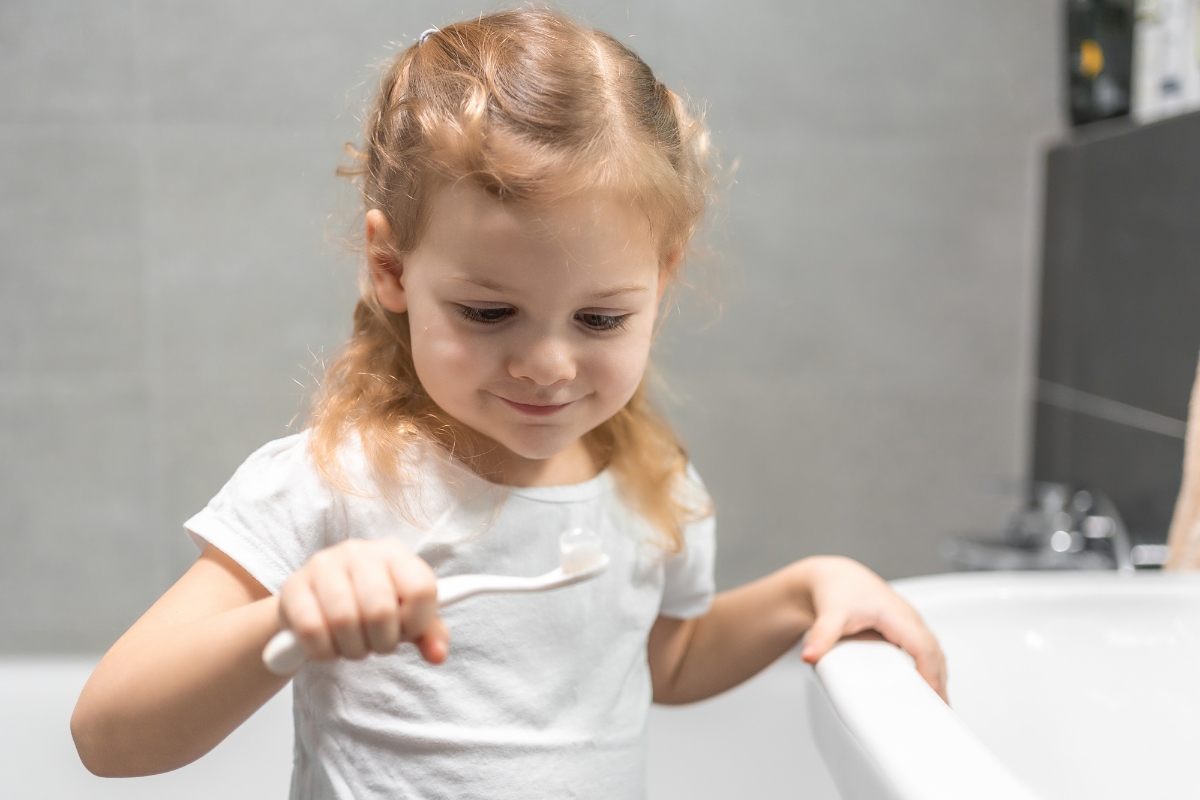
The right toothbrush can make all the difference. Let your kid pick one with a favorite animal or cartoon character, as long as it’s got a small head and soft bristles for their little mouth. Let them choose the toothpaste flavor (as long as it’s a safe, fluoride toothpaste for kids). When they feel like they have a say, brushing gets a lot more exciting.
If you want to keep them brushing for the full two minutes, try a timer or a brushing chart. There are even apps and songs that turn brushing into a game. Anything that gets them laughing and enjoying brushing is a win.
2. Start Flossing Early
Don’t skip flossing, either. People forget about it with little kids, but flossing matters just as much as brushing. The American Academy of Pediatrics says to start once your child’s teeth touch—sometimes as early as age two or three, depending on how their teeth come in. Sure, it sounds tricky, but there are flossers made just for small hands. Floss together, side by side. Kids love to copy what you do, and it makes the routine feel like a team effort.
3. Establish a Routine with Home Oral Care for Healthy Smiles
Consistency plays an extensive role in a child’s home oral care. Brush and floss every day at the exact times—after breakfast and before bed is a good practice. When oral care becomes part of the daily routine, kids are way less likely to fight it. Give your child some independence, too. Let them hold the toothbrush or pick the toothpaste. They’ll feel proud to do it themselves, even if they still need your help to get all those little teeth clean. Stay around them to supervise—they need a grown-up’s help until their motor skills catch up.
And don’t forget the dentist. Start check-ups early, around age one or when the first tooth appears. It’s not just about cavities; you want to make sure everything’s developing on track.
4. Lead by Example
Kids watch what you do, so show them you care about your own teeth. Brush and floss together and talk about why it matters. When they see you making oral care a priority, they’ll want to do the same.
Finally, celebrate their efforts. A little praise goes a long way. Whether it’s a sticker on a chart or a special bedtime story, rewards help good habits stick.
Start early. Keep it fun. Be the example. With some patience and encouragement, your preschooler can build healthy habits that last for years. And if you ever need a hand or a check-up, South City Pediatric Dentistry is here to help. We love supporting kids and parents on their journey to healthy, happy smiles. Give us a call to set up a visit!
FAQs
Q1: At what age should I start brushing my child’s teeth?
It’s recommended to start brushing your child’s teeth as soon as their first tooth appears, typically around 6 months of age. Use a soft toothbrush and a tiny amount of fluoride toothpaste.
Q2: How can I make brushing time less stressful?
Try to make it part of your daily routine and make brushing fun by singing songs, using child-friendly toothbrushes, or playing games. You can even let your child “brush” their stuffed animals’ teeth.
Q3: How do I teach my preschooler to floss?
Use easy-to-hold flossers designed for kids, and demonstrate flossing on your own teeth. Make it a fun activity and try doing it together. Start by flossing one or two teeth and gradually introduce more.
Q4: What is the best way to keep my child motivated to brush and floss regularly?
Celebrate their efforts with praise and rewards, and make it part of the daily routine. Consistency is key to forming good habits.
Q5: How can I keep my child’s teeth healthy outside of brushing and flossing?
Encourage a healthy diet low in sugary snacks, and make sure they drink plenty of water. Regular dental check-ups and fluoride treatments are also important for maintaining oral health.