




Overbites and underbites are dental conditions that can raise concern for parents. Not only do these contribute to a child’s smile, but they are also a determinant of a child’s dental care and overall dental hygiene. Fortunately, modern dental care has made corrective measures possible with little or no discomfort for the child. One such method that has become popular in recent times is Invisalign, a modern orthodontic approach that offers a corrective measure for underbites and overbites in children.
Invisalign is a braces alternative that offers a more comfortable, discreet way to correct overbites and underbites. Invisalign uses invisible, removable aligners that are gentle on teeth and guide them into position without the hassle of metal and wires. Many parents are concerned about how Invisalign braces work compared to traditional braces for their kids. In this article, we shall examine how Invisalign braces are used to treat overbites and underbites and boost your kid’s confidence with a healthier smile.
What Are Overbites and Underbites?
Both overbite and underbite pertain to misalignment of both the upper and lower teeth. Overbite, on the other hand, is a situation where the upper set of teeth protrudes beyond the lower set of teeth. This is also known as Class II Overbite. Overbite is most often seen in kids.
In an underbite, the lower teeth will project past the upper teeth. To correct this problem, Invisalign in South San Francisco, CA, is an exceptionally effective solution for your child’s teeth.
An underbite occurs when the lower teeth protrude past the upper teeth. When this happens, discomfort during chewing can lead to strain or other oral problems if not treated properly.
How Invisalign Corrects Bite Issues
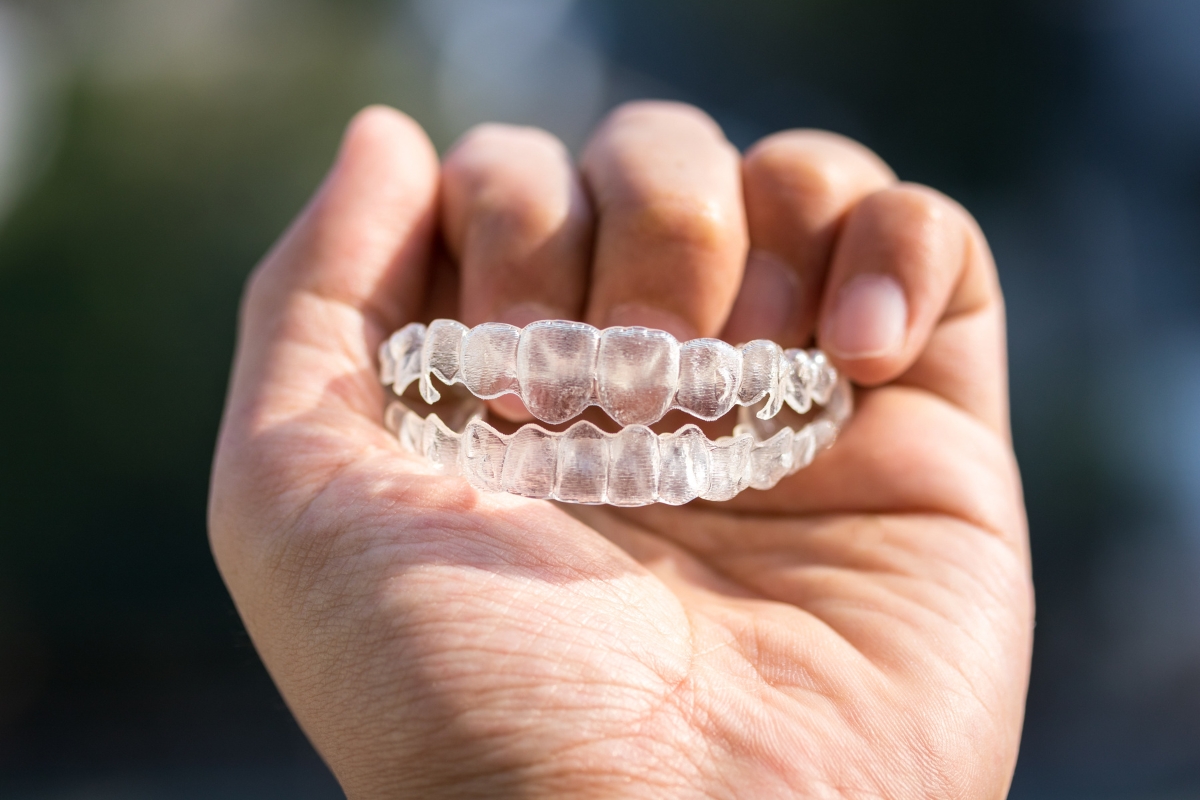
Invisalign consists of a series of custom-made clear aligners that slowly push the teeth into place. The aligners are specifically made to fit your child’s teeth and must be worn between 20 and 22 hours a day; they are not to be worn while eating, drinking, or cleaning teeth. Another advantage of Invisalign is that the aligners are comfortable to wear and have no rough edges like braces do. The best part of wearing Invisalign is that the aligners are removable; hence, your child can have their regular food without any restrictions.
The aligners are replaced every few weeks with another set, each intended to move the teeth towards alignment. The process has been known to resolve overbites and underbites over time by aligning the upper and lower teeth. Invisalign aligners can be customized based on your child’s needs and the requirements of aligning his or her teeth.
The Benefits of Invisalign for Overbite and Underbite Correction
There are many benefits of Invisalign in treating overbites and underbites in children. The most general advantages are the following:
- Discreet and Comfortable: One of the most significant advantages of Invisalign aligners is that they are clear or invisible. This means that your child does not have to worry about being
- No Dietary Restrictions: The best part about the aligners is that they are removable, and as a parent, you do not have to restrict your child’s eating habits. They are free to eat whatever
- Better Oral Hygiene: Correcting bite problems can improve your child’s oral hygiene by giving you a better approach to cleaning teeth.
- Customized Treatment: Invisalign treatment is highly customized, as aligners are designed specifically for your child’s teeth to move them into place.
Invisalign vs Braces: Which One Is Best for Your Child?
Although both options are beneficial, there are many differences between Invisalign and braces that you need to be aware of as a parent. Braces involve using brackets and wires, which can be cumbersome and painful for your child. Dietary restrictions are part of braces because hard and chewy foods can damage brackets and wires.
In contrast, Invisalign uses invisible aligners that can be removed when your child eats and when he wants to brush his teeth. Moreover, Invisalign aligners are invisible; hence, your child won’t be aware of their teeth during treatment.
Invisalign is recommended for children with mild to moderate bite problems, such as overbites and underbites. Invisalign may not be the best option if the child has severe bite problems, as conventional braces will likely work better for them. Despite that, the convenience of using Invisalign makes it attractive for many parents.
Ready To Start Your Journey To a Healthier Smile?
Fixing an overbite or underbite in your child could make a world of difference in the future. With Invisalign, your child will have the best solution for correcting overbites or underbites while remaining confident about the treatment. Are you seeking a treatment that suits your child’s needs? Then consider using Invisalign.
Are you looking for an alternative for your child’s bite problems and wondering if Invisalign could be right for them? At South City Pediatric Dentistry, we prioritise providing the highest possible care for your child. We would love to schedule an appointment to see if Invisalign could give your child a healthier and happier smile!
FAQs
1. What is the difference between an overbite and an underbite?
An overbite occurs when the upper teeth protrude too far over the lower teeth, leading to potential issues like tooth wear or difficulty chewing. In contrast, an underbite happens when the lower teeth extend beyond the upper teeth, causing discomfort and misalignment that can affect speech and jaw function.
2. How long does Invisalign treatment take for an overbite?
Invisalign treatment for an overbite typically takes about 12 to 18 months, depending on the severity of the condition. Your orthodontist will provide a personalized treatment plan, with regular check-ins to ensure progress is on track.
3. Are Invisalign aligners noticeable?
Invisalign aligners are made of clear plastic, making them nearly invisible when worn, so your child can confidently wear them without feeling self-conscious. Unlike metal braces, they offer a discreet solution for correcting bite issues.
4. Can my child eat normally with Invisalign?
Yes, Invisalign aligners are removable, so your child can eat and drink without restrictions, unlike traditional braces that can limit certain foods. Simply remove the aligners during meals and replace them afterward for a comfortable experience.
5. Is Invisalign painful?
Invisalign aligners are designed to be more comfortable than traditional braces, with no sharp metal parts. While mild discomfort may occur during the first few days of wearing a new aligner, it usually subsides quickly as the teeth adjust to the treatment.