




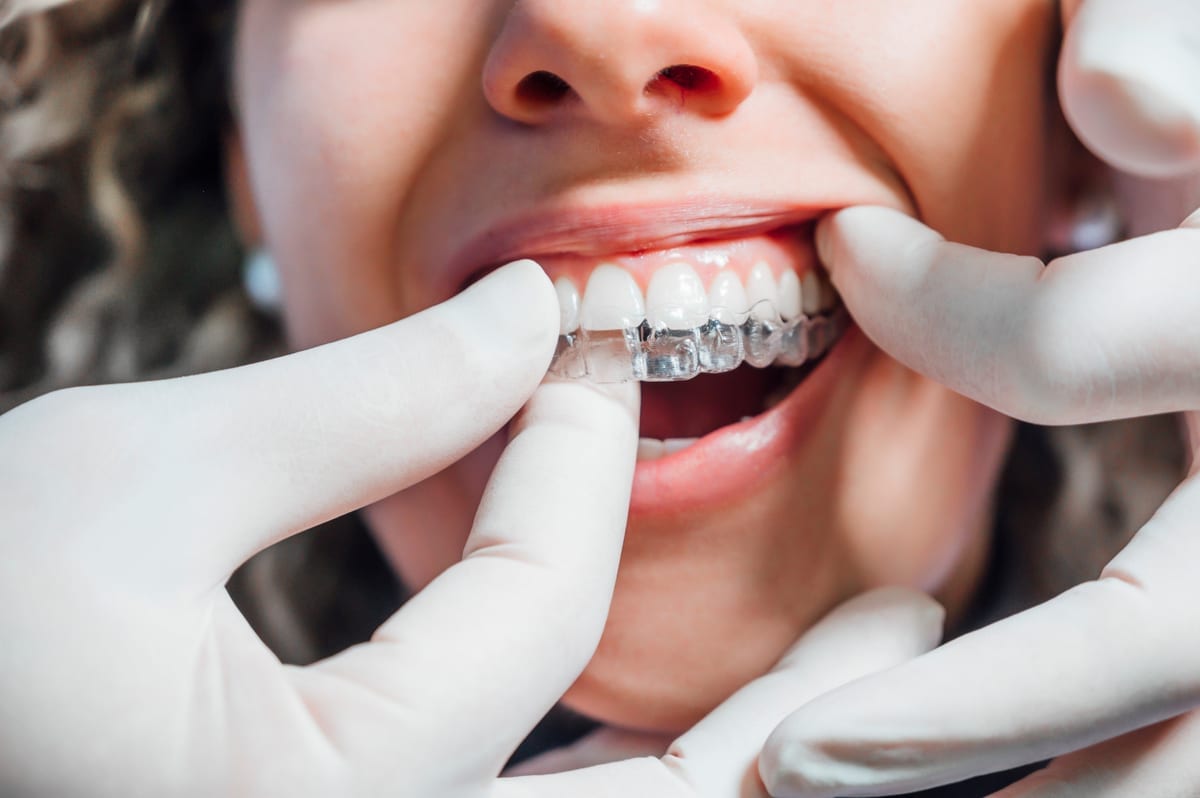
If you have ever wondered why your Invisalign trays change every two weeks in San Bruno, you are not alone. Many patients feel confused about the tray-change schedule. Understanding the science behind it helps you stay committed and confident throughout treatment. Dr. Anne Lee at South City Pediatric Dentistry is here to break it all down.
Invisalign works differently than traditional braces. Instead of wires and brackets, a series of custom plastic aligners gently shift your teeth. Each tray is slightly different from the last. Together, they guide your teeth toward the final desired position.
How Invisalign Moves Teeth Step by Step in San Bruno
Teeth do not move freely through the jaw. They sit in a dense structure called the periodontal ligament. This ligament connects each tooth root to the surrounding bone. Gentle, consistent pressure signals the body to remodel that bone over time.
Each Invisalign tray applies targeted pressure to specific teeth. This pressure compresses the ligament on one side of the tooth. The body responds by dissolving bone in front of the movement and building new bone behind it. That biological process is exactly why tooth movement takes time.
Here is a simple breakdown of what happens during each stage:
- The aligner places light, controlled force on targeted teeth.
- The periodontal ligament compresses and stretches.
- Bone-dissolving cells remove material ahead of the tooth.
- Bone-building cells fill in the space left behind.
- The tooth settles into its new position.
Each tray moves teeth only a fraction of a millimeter. That tiny shift is intentional. Moving teeth too fast would cause pain and potential root damage. Slow, precise movement is safer and more effective.
Why the Two-Week Tray Schedule Exists
The two-week schedule aligns with your body’s natural bone remodeling cycle. After about 14 days, most of the planned tooth movement for that tray is complete. Wearing a tray longer than needed does not create extra movement. It simply keeps the teeth stable while bone consolidates.
Switching too soon is equally problematic. If you move to the next tray before bone has time to rebuild, the foundation becomes weak. That can lead to discomfort, relapse, or poor tracking of your aligners.
Some patients receive a 7-day or 10-day schedule instead. This depends on:
- The complexity of your tooth movement plan
- The material used for your specific aligner series
- How well your teeth are tracking with each tray
- Dr. Lee’s clinical assessment of your bone response
Always follow the schedule your provider sets for you. Do not skip ahead, even if your tray feels loose.
What Are Invisalign Attachments and Why Do They Matter?
Attachments are small tooth-colored bumps bonded directly to certain teeth. They act like handles that help the aligner grip and rotate specific teeth. Without them, some movements are nearly impossible to achieve with plastic alone.
Attachments are made from dental composite material. They are the same shade as your natural teeth, so they blend in well. Most patients barely notice them after a few days. They are removed painlessly at the end of treatment.
Not every patient needs attachments. Your treatment plan determines whether and where they are placed. Complex rotations, extrusions, and root movements are the most common reasons attachments are added to a plan.
Attachments work together with your tray changes to maintain precise control over tooth movement. Each new tray, combined with existing attachments, builds on the progress of the tray before it. This layered system is what makes Invisalign so predictable.
Understanding Refinements in Your Invisalign Journey
Refinements are additional sets of trays prescribed after your original series ends. They are not a sign that something went wrong. In fact, refinements are a routine and expected part of many Invisalign treatments.
Teeth do not always move exactly as the digital treatment plan predicts. Bone density, patient compliance, and biological variation all play a role. Refinements allow Dr. Lee to fine-tune your result and correct any minor discrepancies.
Patients who wear their aligners fewer than 20 to 22 hours per day are more likely to need refinements. Consistent wear is the single biggest factor you control. Every hour you skip is an hour your teeth are not progressing.
Refinements involve new digital scans and a fresh set of customized trays. The same two-week change cycle applies. Most refinement phases are shorter than the original series.
Invisalign at South City Pediatric Dentistry
At South City Pediatric Dentistry, Dr. Anne Lee offers Invisalign as part of a comprehensive approach to orthodontic care. The practice serves families across South San Francisco and the surrounding communities, including San Bruno. Our team makes orthodontic education a priority for every patient we treat.
We also provide Pediatric Dentistry for younger patients who may need early orthodontic guidance. Starting early can simplify future alignment needs. Dr. Lee works closely with families to build healthy smiles from a young age.
For patients who may benefit from early appliance therapy, we also offer Pediatric Dental Appliances to guide jaw development and tooth eruption. These tools can reduce the complexity of treatment later in life. Every treatment plan is tailored to the individual patient’s needs and goals.
Whether you are a teen starting Invisalign or an adult looking to refine your smile, our team is ready to guide you through every tray change and milestone. We believe informed patients get the best results. Book Now to schedule your appointment with our team.
Frequently Asked Questions
Why do Invisalign trays change every two weeks in San Bruno?
Each tray applies a small, controlled amount of pressure to shift teeth by a fraction of a millimeter. After about 14 days, the planned movement for that tray is mostly complete and bone has begun to rebuild. Switching trays on schedule keeps treatment progressing safely and on time.
What happens if I wear my Invisalign tray longer than two weeks?
Wearing a tray beyond its scheduled time will not create additional tooth movement. However, it may delay your overall treatment timeline. Always follow the schedule Dr. Lee gives you for the best results.
Can I switch to my next tray early to speed up treatment?
Switching trays too early is not recommended. The bone around your teeth needs time to rebuild after movement. Moving too fast can lead to discomfort, poor aligner fit, and even tooth instability.
What are Invisalign attachments and do I need them?
Attachments are small tooth-colored dots bonded to your teeth to help the aligner grip and rotate specific teeth. Not all patients need them. Dr. Lee will determine during your treatment planning whether attachments are necessary for your case.
What are refinements and are they common with Invisalign?
Refinements are additional aligner trays created after your original series ends. They are used to fine-tune results and address any movements that did not fully complete as planned. Refinements are a normal part of many Invisalign treatments and follow the same tray-change schedule.