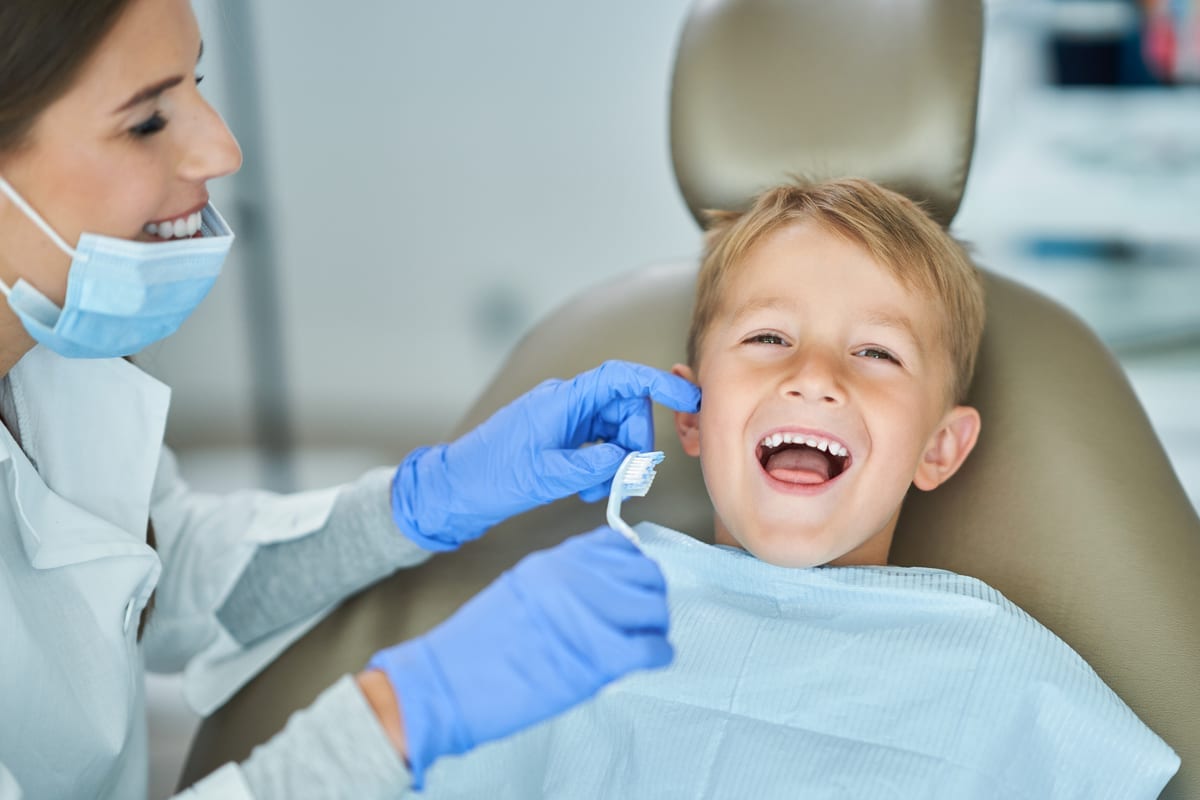





Does your child panic before every dental appointment? You are not alone. Dental anxiety affects millions of children across the country—and right here in South San Francisco. The good news is that modern pediatric dentistry has changed everything. At South City Pediatric Dentistry, Dr. Anne Lee uses proven, child-friendly techniques to turn fear into confidence. Your anxious child can love the dentist—here’s how South San Francisco families are making it happen every day.
Why Do Children Feel Anxious at the Dentist?
Fear of the dentist usually starts early. Many children feel scared of unfamiliar sounds, smells, and sensations. Some kids worry about pain. Others simply feel out of control in a new environment.
Common triggers for dental anxiety in children include:
- Fear of needles or sharp instruments
- Loud or unfamiliar equipment noises
- Feeling restrained or unable to move freely
- Negative stories heard from family or friends
- A past uncomfortable dental experience
Understanding the root cause helps parents and dentists respond effectively. Dr. Anne Lee takes time to identify each child’s specific fears. That personal approach makes a real difference from the very first visit.
How South San Francisco Pediatric Dentistry Creates a Calm Environment
The environment matters more than most parents realize. A child-centered dental office looks, feels, and sounds different from an adult clinic. South City Pediatric Dentistry is designed specifically with young patients in mind.
Every detail of the office is chosen to reduce stress. Bright colors, friendly artwork, and age-appropriate toys help children feel at ease. The team speaks calmly and uses simple, reassuring language throughout every appointment.
Dr. Anne Lee also uses a technique called Tell-Show-Do. She explains each step before doing it. She shows the child what each tool looks and feels like. Then she proceeds slowly and gently. This method removes the element of surprise—one of the biggest drivers of dental fear in kids.
Another important tool is positive reinforcement. Children receive praise and encouragement throughout their visit. This builds trust and creates positive memories around dental care.
Child-Friendly Techniques That Actually Work
Modern pediatric dentistry offers several evidence-based approaches for anxious children. Dr. Anne Lee tailors each strategy to the individual child’s age and anxiety level.
Key techniques used at South City Pediatric Dentistry include:
- Distraction: Music, videos, or fun ceiling visuals keep young minds occupied during treatment
- Nitrous oxide (laughing gas): A safe, mild sedation option that helps children relax without putting them to sleep
- Controlled breathing: Teaching kids to breathe slowly reduces physical tension and fear
- Short appointments: Keeping visits brief for very young or anxious children builds tolerance over time
- Parent presence: Allowing a parent in the room during treatment often significantly reduces anxiety
These methods are safe, gentle, and well-tested. They are used by pediatric dental specialists across the country. South San Francisco families have access to all of them right here at South City Pediatric Dentistry.
Some children may also benefit from Pediatric Dental Appliances South San Francisco to support healthy development. Dr. Lee always explains any recommended device in age-appropriate terms so children understand what to expect.
What Parents Can Do at Home to Prepare Anxious Kids
Parents play a powerful role in shaping how children feel about dental visits. What you say and do at home matters enormously. Even well-meaning comments can accidentally increase fear.
Here are practical steps you can take before every appointment:
- Use positive, calm language when talking about the dentist
- Read children’s books about dental visits together
- Play pretend dentist at home to make it feel familiar
- Avoid sharing your own dental fears in front of your child
- Arrive early so your child has time to adjust to the environment
Never bribe children with warnings like
Frequently Asked Questions
At what age does dental anxiety typically start in children?
Dental anxiety can develop at any age, but it often emerges between ages 3-5 when children first visit the dentist. Children may feel anxious due to unfamiliar environments, strange sounds, or a lack of control during the appointment. Early positive experiences at the dentist can help prevent anxiety from taking root.
How can I prepare my child for their first dental visit?
Start by reading age-appropriate books about dental visits or watching positive videos together to normalize the experience. Use simple, non-scary language when talking about the dentist, avoiding words like “shot,” “pain,” or “drill.” You can also play dentist at home with a toy to make the concept feel less intimidating.
Should I stay in the operatory during my child’s appointment?
It depends on your child’s age and anxiety level. For very young or highly anxious children, your presence can be comforting, but some dentists recommend that parents step out for older kids to build independence and confidence. Discuss your child’s specific needs with your dentist to find the best approach.
What if my child has had a bad dental experience in the past?
A previous negative experience can intensify dental anxiety, but it’s not permanent. Tell your new dentist about the experience so they can work at your child’s pace and use gentler techniques. Patience, reassurance, and consistent positive reinforcement can help your child rebuild trust over time.
Are there calming techniques I can teach my child before the appointment?
Absolutely! Deep breathing exercises, visualization, and progressive muscle relaxation are excellent tools that reduce anxiety. You can practice these techniques together at home and remind your child to use them during the appointment. Some dentists also use headphones with music or movies to help distract anxious children.